Dominant Negative Alleles
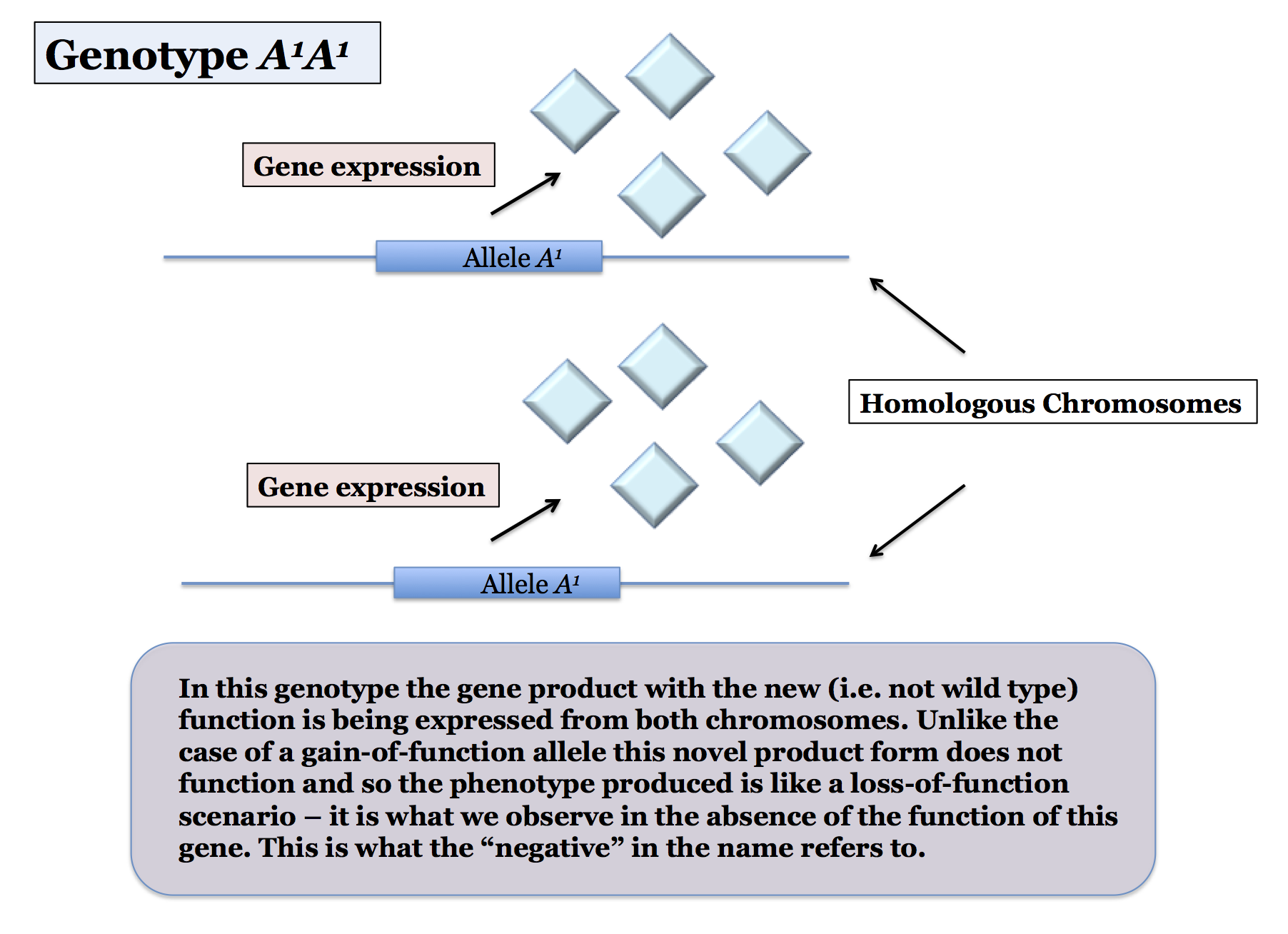
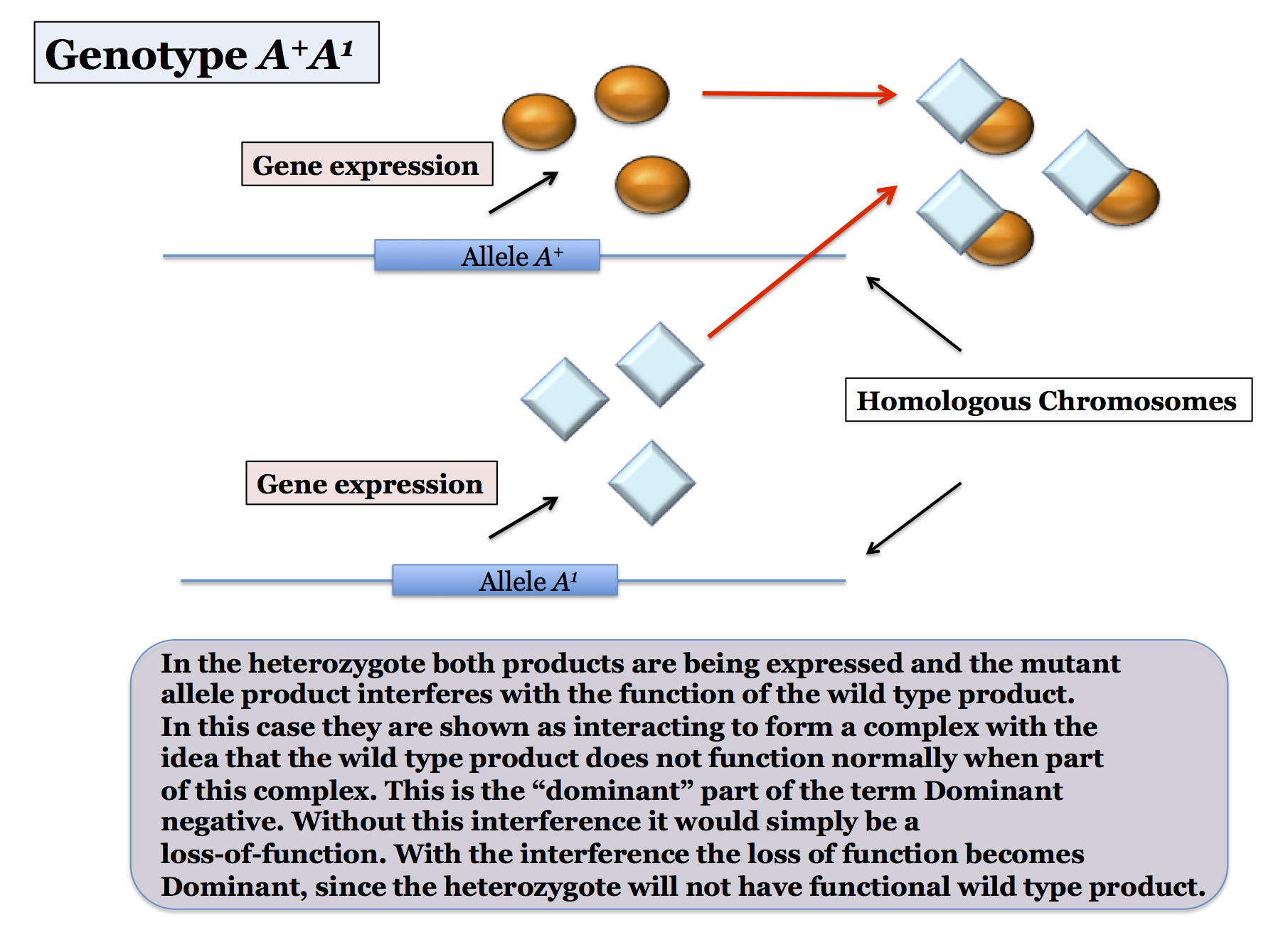
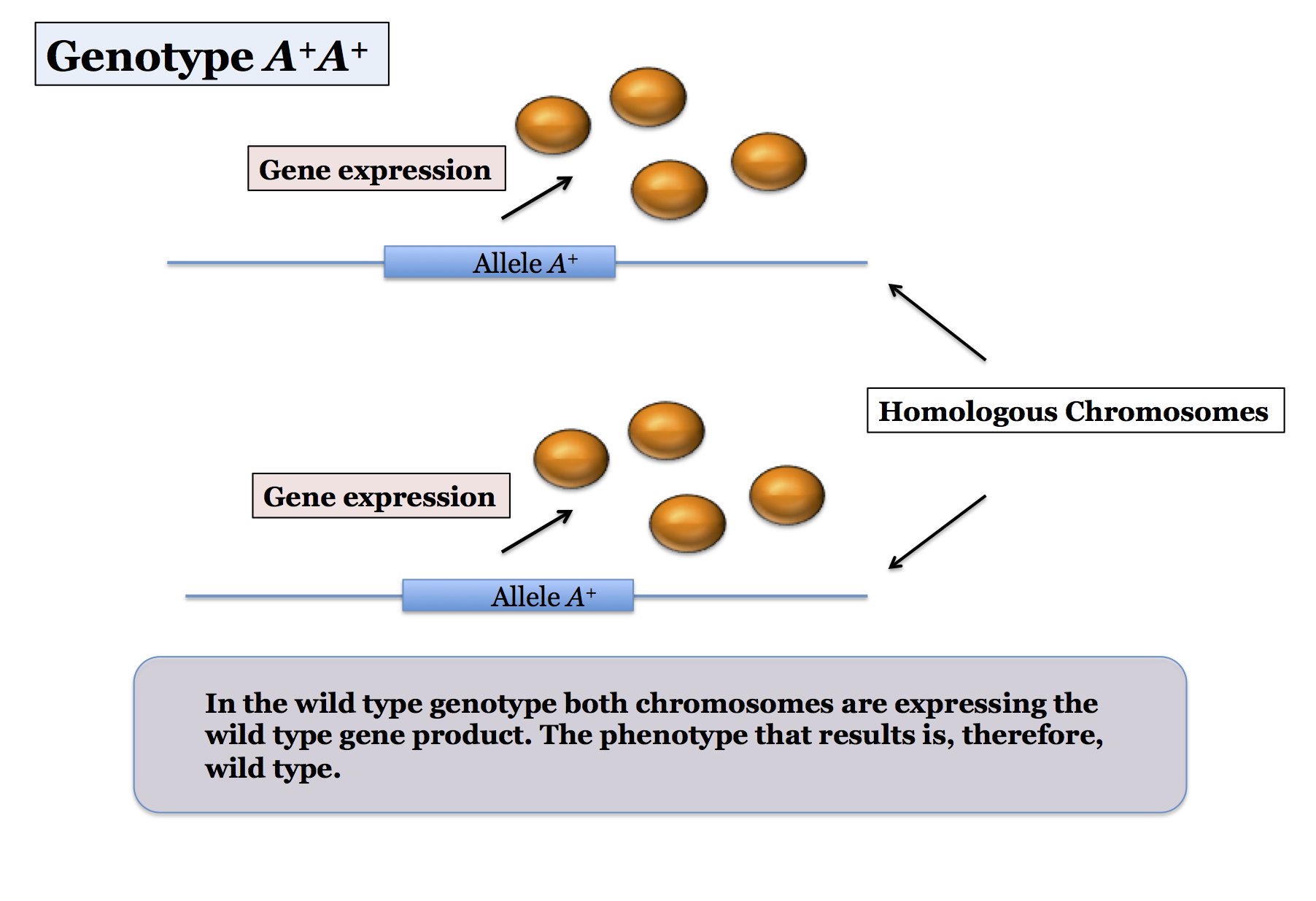
Dominant negative alleles (also called antimorphic alleles) are a bit like a mix of loss-of-function alleles and gain-of-function alleles. What makes an allele dominant negative is that the product has no function (this is the negative part) and in the heterozygous state it interferes with the function of the product of the wild type allele (this is the dominant part). So, it involves a loss-of-function but in a way gains the function of interfering with wild type.
|
|
|
|
|
|
A good example of a Dominant negative disorder in humans is Marfan Syndrome. The syndrome is caused by a mutation in the fibrillin-1 (FBN1) gene, which codes for the Fibrillin protein. Copies of this protein join together to form extracellular microfibrils that are a component of connective tissue throughout the body. There are dominant negative alleles of the FBN1 gene that, in the heterozygous state, bind with wild type Fibrillin and disrupt the formation of functional microfibrils with a resulting effect on connective tissue. There are numerous symptoms associated with the syndrome that vary in severity amongst individuals. These include a number of skeletal malformations including disproportionately long digits and limbs, changes to cranial and facial structure, and increased height. The link to the OMIM is provided above if you want to read more. There is also information on the FBN1 gene itself here.