Gain-of-Function Alleles
A gain-of-function allele (you might also see the term gain-of-function mutation, which is simply a mutation that results in a gain-of-function allele) is one that has either an increased level of function relative to wild type or a completely new function that the wild type allele lacks. It can also refer to situations when the gene dosage (concentration of the product) is increased relative to wild type. You may also see these referred to as hypermorphic which was the original term coined by geneticist Hermann Muller.
As an example of an increased function consider a gene that codes for an enzyme. Enzymes catalyze reactions and generally increase the reaction rate by a particular amount. A gain-of-function allele might code for a product that increases the rate of reaction by an even greater amount. The result would be that there is an increased level of the reaction product in the cell which will have some phenotypic effect depending on the function of that reaction product.
As noted, gain-of-function can also refer to situations when the gene product of the allele performs a novel function - one that the product of the wild type allele does not perform. For example, a gain-of-function for a regulatory protein (a protein that regulates the expression of another gene) might regulate a gene that wild type does not. Or, an enzyme product might act on a substrate that the wild type product does not. In general it is not possible to predict the phenotypic result of such changes, we need to observe organisms with these alleles to determine the effects.
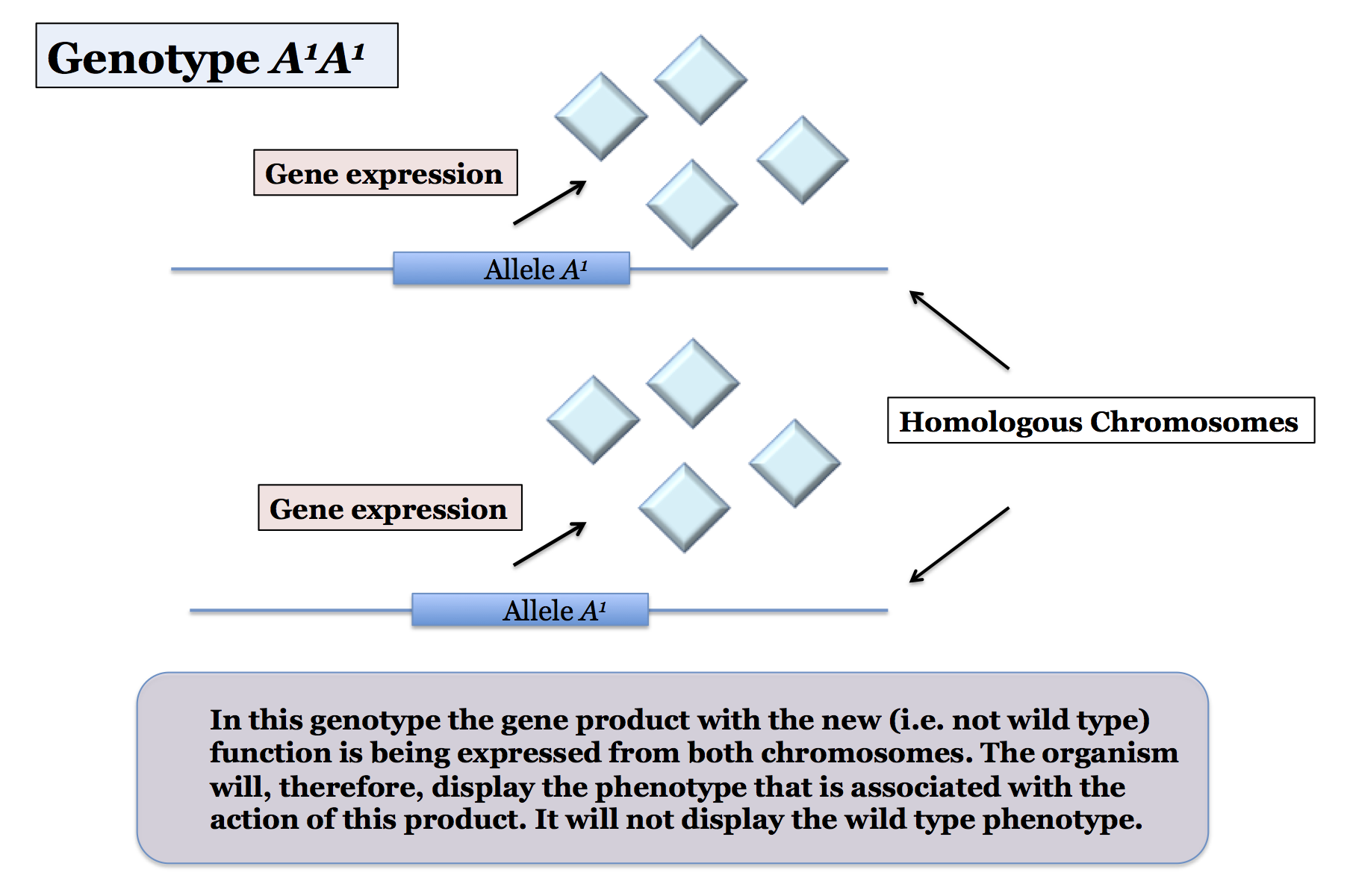
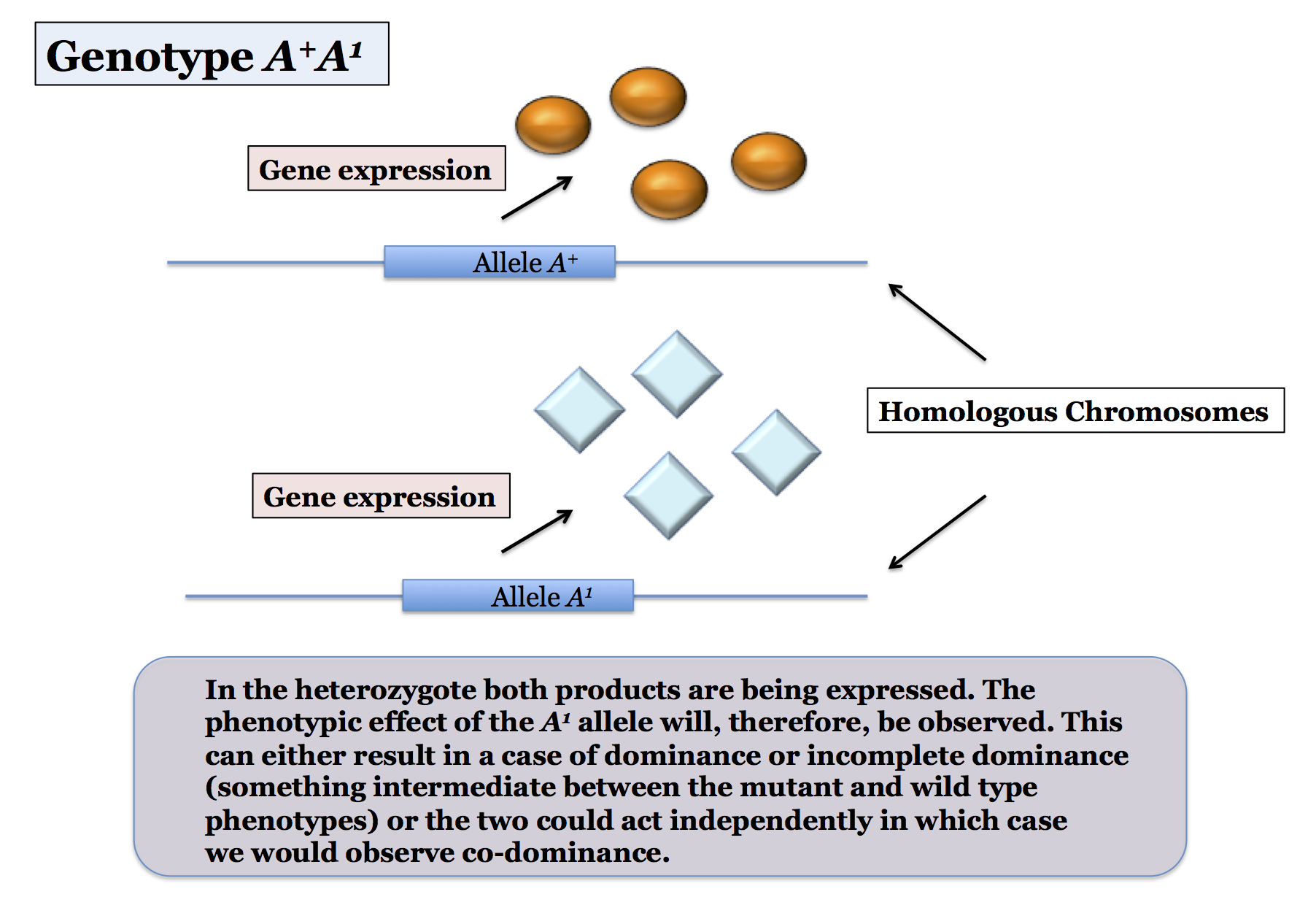
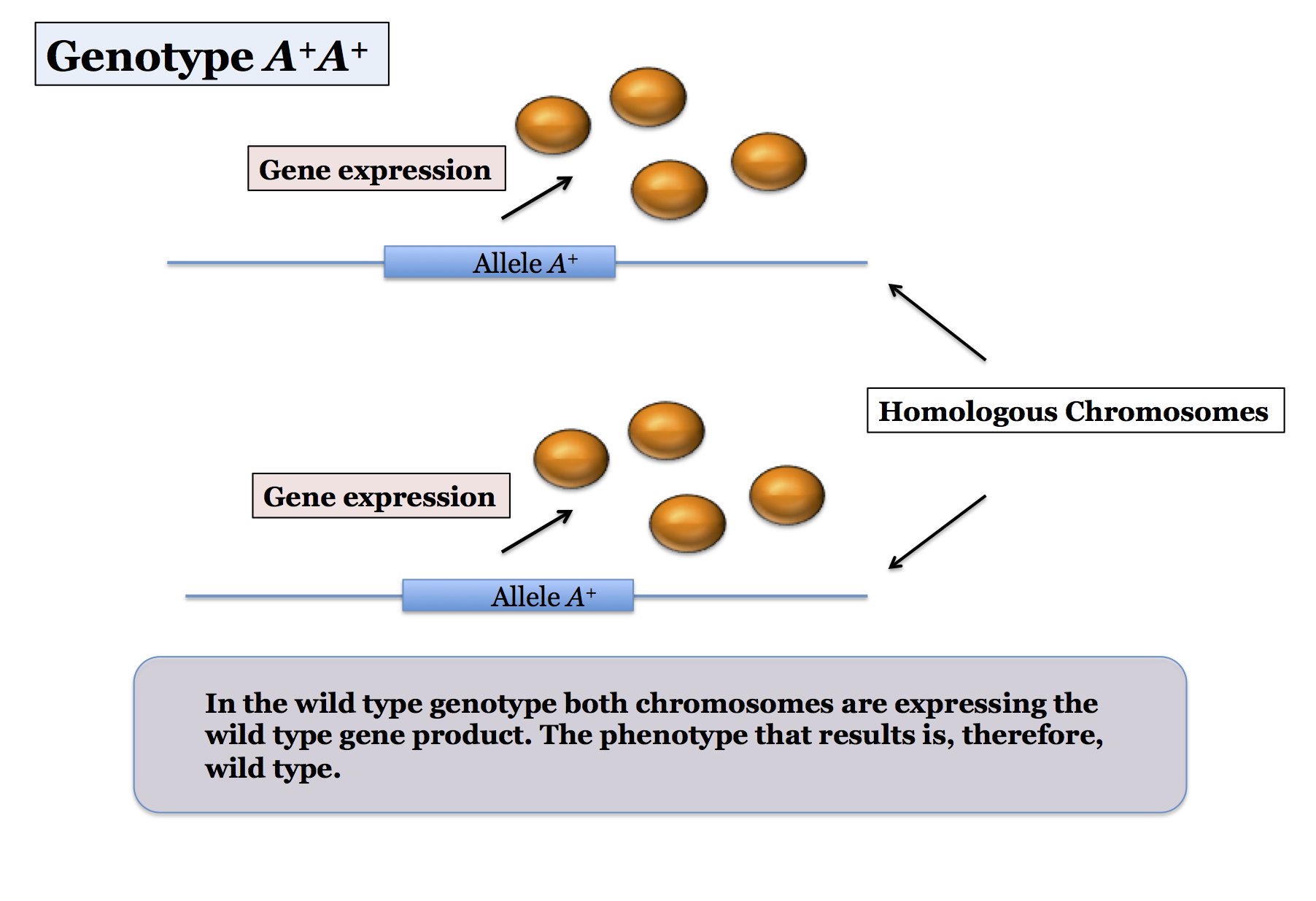
Gain-of-function alleles are generally dominant to wild type or display co-dominance with wild type. In the heterozygote, the gain-of-function allele is being expressed and thus conferring the new function on the organism with the resulting phenotypic effect. This can either show up instead of the wild type (thus, dominant) or show up independently - alongside of - wild type (co-dominance).
|
|
|
|
|
|
Unfortunately, there are numerous medical problems caused by dominant gain-of-function alleles. One well-known example if Huntingtons Disease but there are several other neurodegenerative disorders caused by dominant gain-of-function alleles including SBMA (Spinal and Bulbar Muscular Atrophy) and DRPLA (Dentatorubral Pallidoluysian Atrophy). You can get other examples here.